
Palm Angels Fashion: Why the Brand Differentiate Itself
In an world flooded with streetwear labels fighting for cultural space, Palm Angels has been able to create a space that feels truly its own. Established in 2015 by Italy-born creative director and photographer Francesco Ragazzi, the label came to life not from a conventional design career but from a photographic documentary series documenting Los Angeles skateboarding culture. That origin story — based on artistic documentation rather than business planning — continues to permeate every element of the brand’s identity about nine years later. By 2026, Palm Angels produces approximate annual income surpassing $200 million under its owning group New Guards Group, which is owned by the Farfetch conglomerate. The house operates independent stores in Milan, New York, Tokyo, and London, and its products are available in over 400 retail doors around the world. But basic statistics can’t account for why Palm Angels connects so powerfully. This examination traces the specific characteristics that distinguish Palm Angels from its peers and maintain its appeal in a space that chews through fads with alarming speed.
The Creation Narrative: Photography as Fashion Foundation
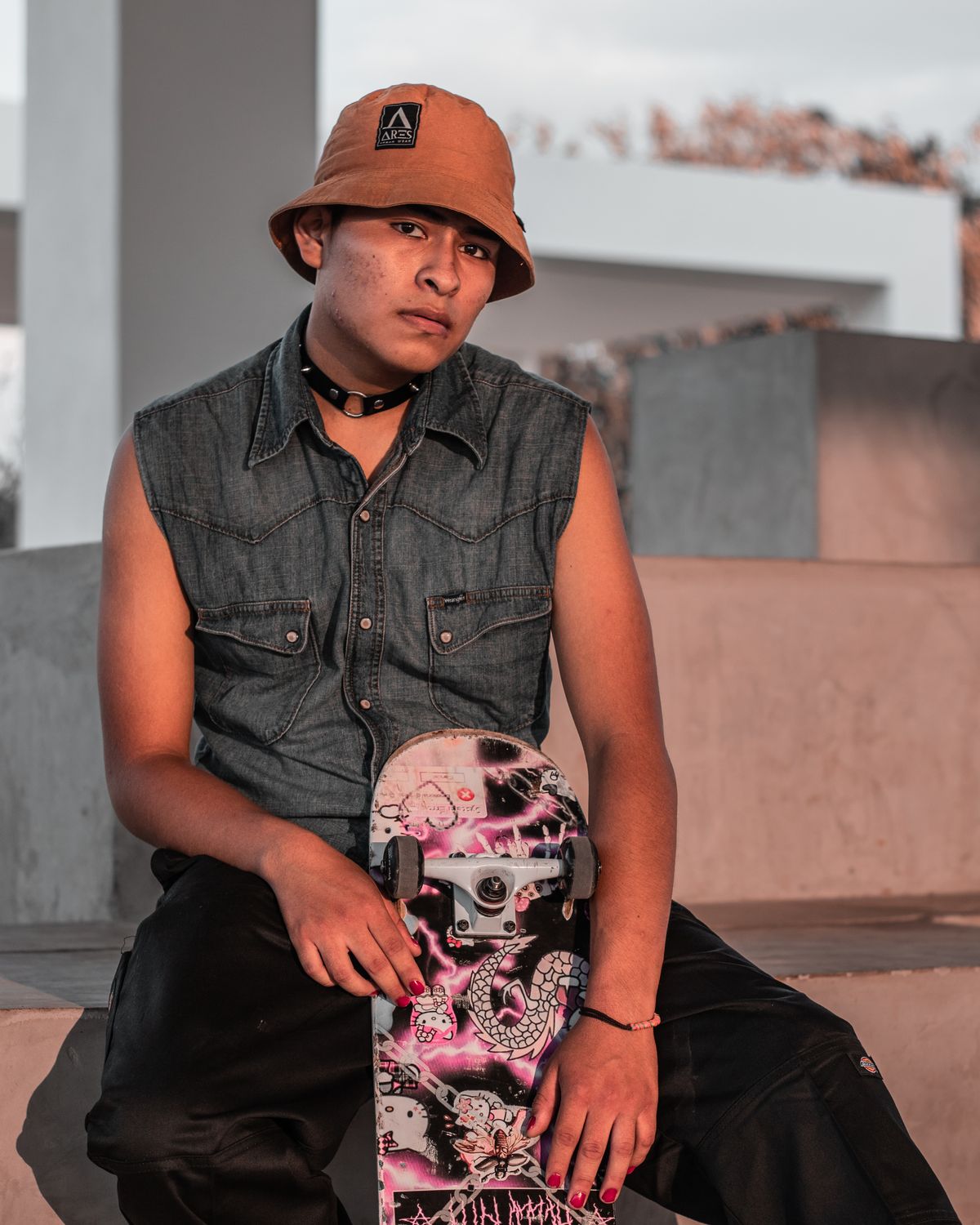
Knowing Palm Angels starts with knowing its creator’s vision, which departed significantly from the conventional route into luxury fashion. Francesco Ragazzi invested years shooting skateboarders in the Venice Beach and Hollywood areas of Los Angeles, recording the unfiltered energy, rebellious spirit, and unconscious style of a scene existing entirely apart from the fashion world. These pictures turned into a photo book — also called “Palm Angels” — released by Rizzoli in 2014, which attracted the eye of the fashion world and contributed directly to the apparel brand the next year. This origin matters because the brand’s look wasn’t engineered backward from market research or trend analysis — it was captured from life and translated into pieces. Ragazzi’s vision for visual balance appears in all aspects from palm angels shorts collection graphic elements to fashion presentations, which frequently look like gallery shows more than standard runway events. The visual-first approach accounts for why brand campaigns come across as more like magazine projects than advertisements. This creative foundation has shown itself to be exceptionally lasting, serving as a consistent touchstone even as the brand expands into new product areas and territories.
Aesthetic Approach: The Fusion of Cultures
Skateboarding Meets Italian Luxury
The fundamental tension that renders Palm Angels visually interesting is the intentional collision between two seemingly incompatible aesthetics: the unpolished informality of US streetwear and the exacting quality of Italian tailoring. Every collection navigates these opposing worlds. Oversized silhouettes taken from the skating culture — where oversized clothes serve a purposeful role — are executed in fabrics that could hold their own in a Italian fashion house. Images invoke street art, and alternative symbols, but they’re applied using high-end printing techniques on high-quality substrates. Hardware details like zip pullers and drawstring aglets are made to a quality expected from houses with 10x Palm Angels’ pedigree. This isn’t mimicry; it’s real fusion where each part enhances the other. The street influence prevents the Italian craftsmanship from feeling cold, while the Italian quality stops casual pieces from reading as low-quality. Few brands navigate this tension well — most tip too much in one way.
The Role of Graphics and Imagery
Palm Angels has created a visual vocabulary that’s at a glance distinctive, and this iconographic coherence is a central element in the house’s durability. The curved brand mark uses a typeface evoking vintage West Coast signs while staying distinctly modern. The bear graphic has become a image going beyond the brand alone, surfacing in internet content, unofficial artwork, and popular culture discussions worldwide. Tree motifs comes up across seasons, connecting each drop to the Los Angeles starting point. Flame images, wing imagery, and tag-style looks complete a graphic library applied with remarkable range — the same bear can surface as quiet needlework on a shirt or a full-bleed print covering an whole hoodie. This visual system operates similarly to fashion house logos: delivering quick brand awareness while permitting infinite design variety within a recognizable system.
Production Standards and Benchmark Criteria
Where many urban labels offshore manufacturing to cut costs, Palm Angels has committed to Italy-based production as a core element. The majority of the collection is constructed in Italian established fabric districts, where centuries of knowledge guarantee quality levels that bulk production facilities elsewhere can’t replicate. Cotton is obtained from long-staple suppliers in Turkey and Egypt. Performance materials originate in Italian textile manufacturers specializing in technical fabrics. Denim uses selvedge goods from Italian and Japanese manufacturers, with custom treatments made exclusively. Quality control extends to stitching density, seam placement, graphic bonding, and hardware functionality. This investment has tangible results: Palm Angels items hold up under regular wear and multiple washes in ways that cheap copies categorically fail to. The increased price point — $250 for a basic tee, $350+ for trousers, $500+ for outer layers — reflects these quality factors, and the flourishing resale market indicates shoppers recognize the difference in quality.
Cultural Footprint and Celebrity Endorsement
Palm Angels’ cultural reach goes far past clothing, boosting reach in ways traditional marketing can’t match. Musicians such as Travis Scott, A$AP Rocky, The Weeknd, and Bad Bunny have been photographed wearing Palm Angels in contexts from stages to travel hubs. Professional athletes across the NBA, Premier League, and Formula 1 frequently add Palm Angels into their off-court wardrobes. Social media influencers with combined audiences going past 500 million include the brand in styling videos, directing visits to retailers. These inclusions are largely spontaneous — while Palm Angels engages in product seeding, the most of celebrity sightings are sincere style decisions, lending authenticity that paid campaigns fail to deliver. By 2026, Palm Angels has built cultural awareness where the name holds cultural value among fashion-literate consumers.
How Palm Angels Measures Against Key Rivals
Positioning within the competitive space highlights Palm Angels’ precise role. The following table maps the brand versus its most direct peers across metrics important for 2026 shopper decisions.
| Factor | Palm Angels | Off-White | Amiri | Rhude |
|---|---|---|---|---|
| Price Tier | Mid-Luxury ($250–$900) | Mid-Luxury ($300–$1,200) | High-Luxury ($350–$2,000) | Mid-Luxury ($250–$800) |
| Core Aesthetic | Skate + Italian craft | Art-meets-street | Rock-and-roll luxury | Vintage Americana |
| Manufacturing | Italy | Italy/Portugal | Italy/USA | USA/Portugal |
| Key Category | Track suits, graphic tees | Sneakers, hoodies | Denim, leather | Shorts, graphic tees |
Palm Angels’ key strength comes from its specific cultural origin (LA skate culture), consistent Italian manufacturing, and accessible-yet-luxury pricing. Compared to Off-White, which has dealt with brand identity challenges since Virgil Abloh’s loss, Palm Angels offers more reliable design vision. Versus Amiri, it offers a more accessible cost without equivalent quality drops.
Sustainability and What’s Ahead
As shopper knowledge of fashion’s environmental impact intensifies, Palm Angels has implemented deliberate moves toward eco-friendly production. The label’s 2025 eco-report presented specific commitments: organic and BCI-certified cotton in 60% of cotton garments by 2026, elimination of non-recycled plastic from all packaging by Q3 2026, and a special range using post-consumer polyester from ocean waste. Italy-based manufacturing naturally carries a smaller carbon footprint than manufacturing needing intercontinental shipping. The brand has additionally partnered with The RealReal to facilitate legitimate resale. Looking forward, development under New Guards Group indicates new areas (eyewear, homeware, perfume), greater penetration into Asia-Pacific markets, and perhaps standalone womenswear. The bedrock elements that cause Palm Angels appealing — authentic cultural roots, quality manufacturing, recognizable brand personality — are enduring differentiators that position the brand well no matter where specific trends land.